
What Is EMDR Therapy? Understanding Trauma Treatment and How EMDR Works
Have you ever found yourself thinking, "I know that happened years ago, so why does it still affect me?" You might notice feeling anxious, on edge, emotionally overwhelmed, or reacting in ways that do not seem to match the situation in front of you. This can happen when difficult experiences have not been fully processed by the brain and nervous system.
EMDR therapy is an evidence based trauma treatment that helps the brain process and integrate distressing memories so they no longer feel as overwhelming or ever present. Originally developed to treat trauma, EMDR is now widely used to support people experiencing anxiety, post traumatic stress, grief, distressing life events, and other experiences that continue to feel "stuck."
Although the name can sound technical, EMDR is often a structured, collaborative, and surprisingly gentle therapy approach.
Let's explore what EMDR is and how it works.
First: What Does EMDR Stand For?
EMDR stands for Eye Movement Desensitisation and Reprocessing.
While the name is a mouthful, the idea behind it is relatively simple. EMDR is a therapy approach that helps the brain process difficult memories and experiences that have become "stuck," allowing them to be stored in a more adaptive and less distressing way.
What Is Trauma?
When people hear the word trauma, they often think of major life threatening events. While these experiences can certainly be traumatic, trauma can also result from experiences that feel less obvious from the outside.
Trauma can develop following experiences such as:
childhood neglect
bullying
toxic or unsafe relationships
emotional abuse
medical procedures or hospital experiences
grief and loss
car accidents
panic attacks
feeling unsafe over a long period of time
growing up in environments where you had to stay in "survival mode"
Trauma is not determined by whether something was objectively "bad enough." Instead, it is shaped by how your brain and nervous system responded to the experience.
For some people, trauma is easy to identify. For others, it may show up in everyday life as:
overthinking and hypervigilance
shutting down emotionally
people pleasing
expecting the worst
feeling numb or disconnected
difficulty trusting others
strong reactions to situations that seem minor to others
Even when an event is over, the nervous system can continue responding as though the threat is still present. This is why trauma can continue to affect thoughts, emotions, relationships, and daily life long after the original experience has passed.
How Does EMDR Therapy Work for Trauma?
Think of your brain like a filing system. Normally, when difficult things happen, the brain processes the experience over time. It files the memory away properly so it becomes something you remember, not something you keep reliving.
But trauma can interrupt that process. Instead of being stored as a regular memory, the experience can feel frozen in the nervous system. That’s why certain sounds, situations, emotions, or conversations can suddenly trigger intense reactions, even years later.
EMDR helps the brain revisit these experiences in a safe and structured way, allowing them to be processed and stored differently. Over time, memories often feel less distressing, less emotionally charged, and less likely to trigger intense reactions.
What Happens During EMDR Therapy?
A common misconception is that EMDR involves hypnosis or mind control. It doesn’t. Throughout the process, you remain awake, aware, and in control.
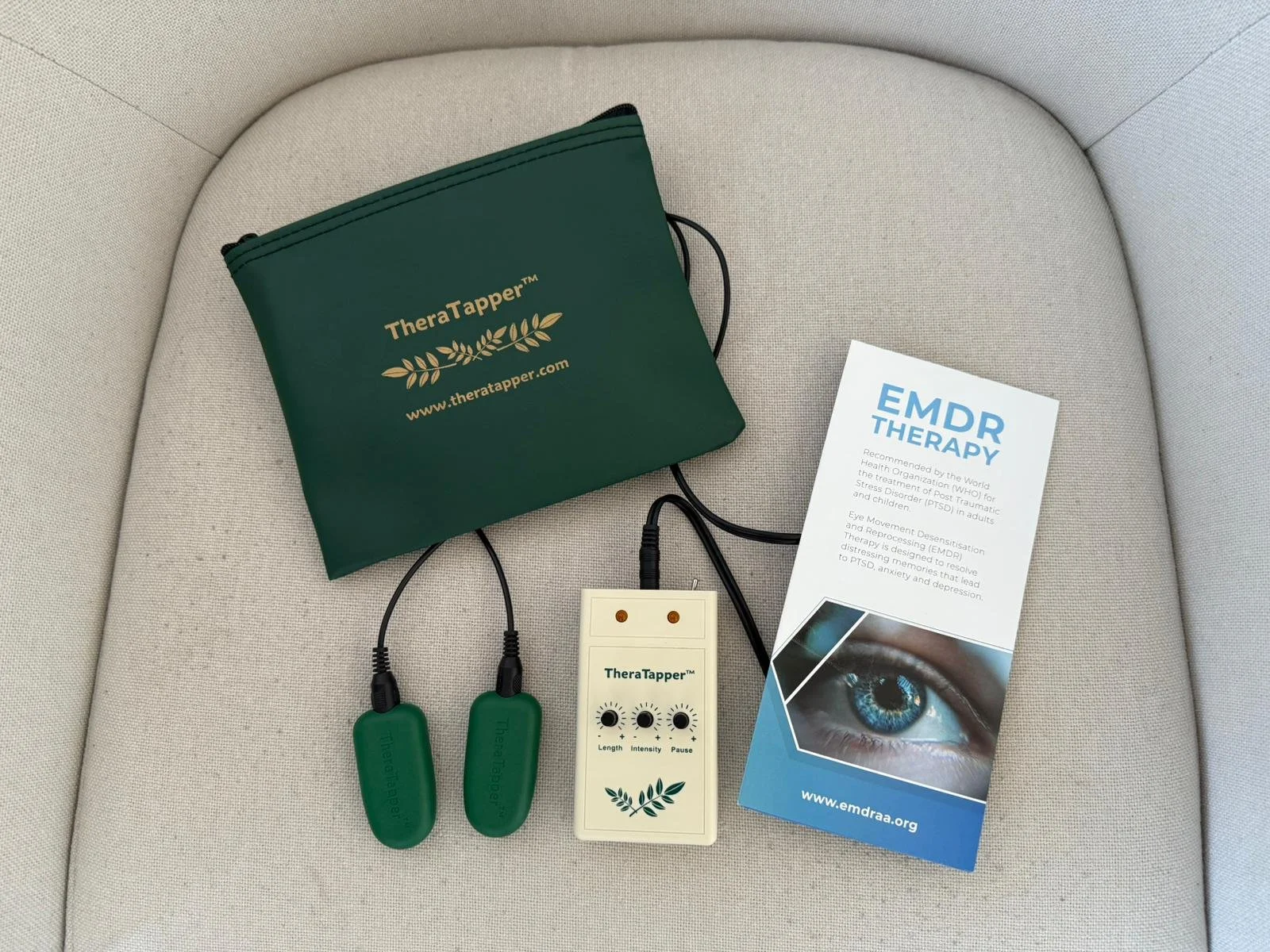
During EMDR, your therapist will guide you through parts of a memory while using bilateral stimulation, such as eye movements, tapping, or alternating sounds. This back and forth stimulation helps the brain process experiences in a different way.
Everyone experiences EMDR differently. Some sessions feel emotional, while others feel surprisingly calm. People may notice thoughts, emotions, physical sensations, memories, or new insights emerging as the brain works through an experience.
Many people describe EMDR as:
finally connecting the dots
feeling less overwhelmed by difficult memories
understanding past experiences without reliving them
feeling calmer and more grounded in their body
Often, the biggest changes happen outside the therapy room. People may notice they are:
sleeping better
reacting less intensely to triggers
feeling safer in relationships
spending less time stuck in cycles of worry or overwhelm
more present and engaged in everyday life
The goal of EMDR isn’t to erase memories. Instead, it helps the brain process experiences so they no longer carry the same emotional intensity or continue to impact daily life in the same way.
Can EMDR Help With Anxiety, Childhood Trauma, and Stress?
Yes. While EMDR is best known as a treatment for PTSD and trauma, it can also support people experiencing anxiety, panic, childhood trauma, attachment wounds, and ongoing stress responses.
EMDR is commonly used for PTSD, but many people also use it for:
Anxiety
Panic attacks
Phobias
Grief and loss
Medical trauma
Birth trauma
Childhood experiences that continue to affect adulthood
Distressing life events and relationship trauma
Your psychologist can help determine whether EMDR is an appropriate approach for your individual needs.
Final Thoughts
Healing from trauma doesn’t always happen through talking alone. Sometimes the body needs support catching up to what the mind already knows: that the danger has passed, that safety is possible, and that you don’t have to stay stuck in survival mode forever.
EMDR is one tool that can help people move from simply surviving toward feeling more grounded, connected, and present in their lives again.
At Better Together Therapy, our trauma-informed clinicians offer EMDR therapy in a safe, supportive, and collaborative way. We understand that starting trauma therapy can feel vulnerable, and we believe healing works best when people feel genuinely seen, respected, and supported at their own pace.
During Trauma Awareness Month, we hope this conversation reminds people of something important: healing is possible, and you don’t have to navigate it alone.
Frequently Asked Questions About EMDR Therapy
Is EMDR evidence-based?
Yes. EMDR is an evidence-based therapy approach that is widely used in trauma treatment. Phoenix Australia includes EMDR as a recommended frontline treatment for PTSD and trauma-related symptoms.
Is EMDR the same as hypnosis?
No. During EMDR, you remain awake, aware, and in control at all times. You can pause, stop, or ask questions throughout the process.
Do I have to talk about my trauma in detail?
Not necessarily. Unlike some therapies, EMDR does not require you to share every detail of your experiences. Your therapist will work with you to process memories in a way that feels safe and manageable.
How many EMDR sessions will I need?
The number of sessions varies from person to person. Some people notice changes within a few sessions, while others benefit from longer term work. Factors such as the nature of the experiences being processed, current stressors, and treatment goals can all influence the length of therapy.
Is EMDR right for everyone?
EMDR can be highly effective, but it is not the best fit for every person or every situation. Before beginning EMDR, your psychologist will complete an assessment and help determine whether it is the most appropriate approach for your goals and circumstances.
