
Blog
At Better Together Therapy, we’re committed to helping people thrive in their everyday lives. Our blogs are designed to extend that support—offering knowledge, practical tools, and fresh perspectives beyond the therapy room.
What Is EMDR Therapy? Understanding Trauma Treatment and How EMDR Works
(🕒 6 min read)
EMDR is an evidence based therapy that helps the brain process traumatic and distressing experiences that may feel "stuck." This blog explains how EMDR works, what to expect during treatment, and how it can support healing from trauma, anxiety, grief, and other difficult life experiences.

Understanding Grief & Loss: Coping Strategies, Signs of Grief, and How to Heal
(🕒 4 min read)
Grief can be one of life's most challenging experiences, affecting us emotionally, physically, and mentally. While loss looks different for everyone, it's important to remember that there is no right way to grieve. This blog explores common signs of grief, coping strategies, and ways to navigate the journey of healing with self-compassion and support.

Dyslexia, Dysgraphia, Dyscalculia – What Are They? Specific Learning Disorders
(🕒 3 min read)
Dyslexia, dysgraphia, and dyscalculia are terms many people are familiar with, but they now sit under what we call Specific Learning Disorders. This blog explores how the language has changed, breaks down common misconceptions, and outlines the signs of a learning disorder and when it might be time to seek further assessment.

Do I Have AuDHD? Understanding Autism and ADHD in Adults
(🕒 6 min read)
AuDHD is the often-missed overlap of Autism and ADHD, whereby someone can feel both scattered and stuck at the same time. This blog breaks down what it actually looks like, why it’s so commonly overlooked (especially in girls and women), and what support can make a real difference.
What to Expect from an Autism Assessment in Melbourne: A Guide for Individuals and Families
(🕒 5 min read)
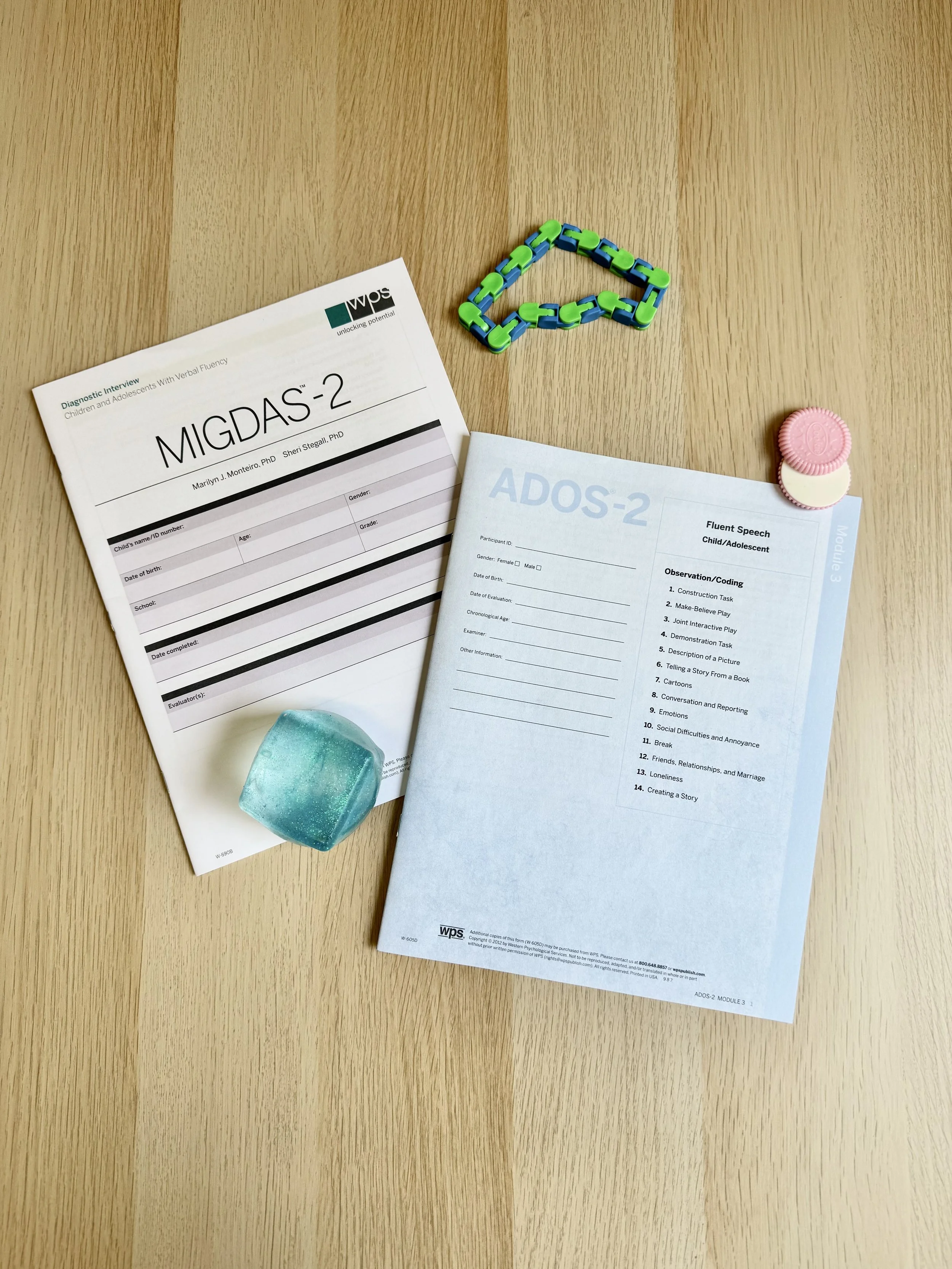
Autism assessments can feel overwhelming and often vary from clinic to clinic. This guide walks individuals and families through what to expect, why the process can look different, and how a comprehensive, neuroaffirming assessment helps build understanding and next steps.

Neurodivergence and Anxiety – Beyond Cognitive Behaviour Therapy
(🕒 3 min read)
Anxiety can affect everyone, but for neurodivergent individuals it often comes with additional layers such as sensory sensitivities, different thinking styles, and communication differences. This blog explores why anxiety support is not always “one size fits all” and why approaches beyond traditional therapy models can be helpful. We share how understanding each person’s unique strengths and needs can lead to more meaningful and effective support for managing anxiety.

Supporting Children to Return to School: Gentle, practical ways to ease the transition back
(🕒 4 min read)
The return to school can bring excitement as well as nerves for children and parents. This blog shares practical, evidence-informed strategies to ease the transition, including predictable routines, short and consistent goodbye rituals, and ways to support regulation before separation. Learn how small, consistent steps help children feel safe, reduce separation stress, and start the school year confidently.

Coping with Loneliness During the Holiday Season: Psychology Insights and Strategies
(🕒 4 min read)
Feeling lonely during the holiday season is common, even when surrounded by others. This blog explains why loneliness can increase at this time, the psychology behind it, and practical strategies to ease its impact. Discover ways to create meaningful connection, maintain routine, and manage big emotions, so you can navigate the holidays with more calm and connection.
How Children Learn to Talk: A Parent’s Guide to Expressive Language Development
(🕒 3 min read)
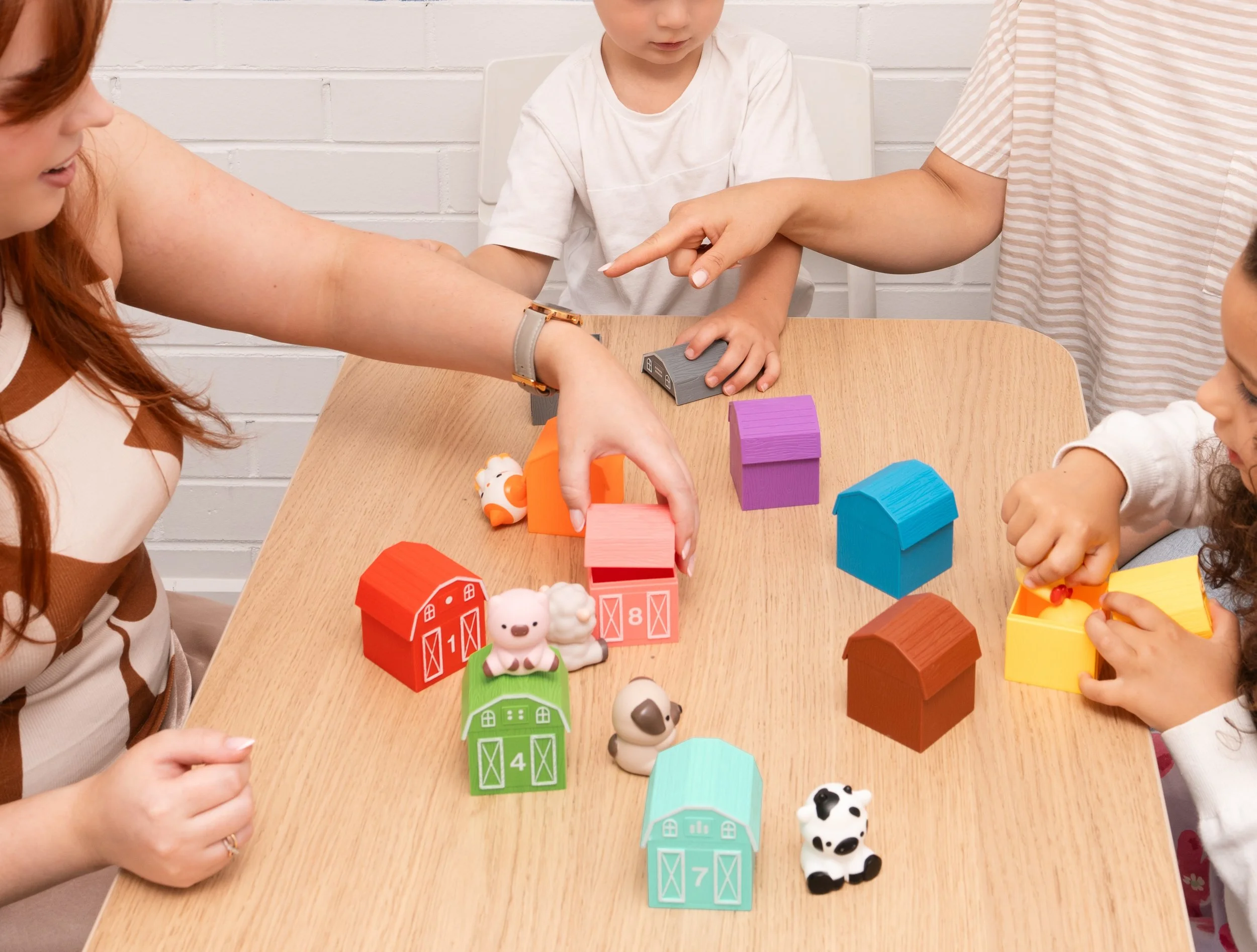
Watching your child learn to communicate is one of the most exciting parts of early development. From babbling to first words to simple sentences, expressive language grows through connection, play, and everyday experiences. Understanding how these skills typically unfold can help you recognise when things are progressing as expected and when extra support might be helpful.
This blog walks you through the early stages of expressive language development and offers simple, practical ways to encourage talking at home. If you’re looking for guidance or reassurance, Better Together Therapy is here to help your family feel supported and informed.

Perinatal Mental Health Support in Australia: Symptoms, Treatment, and When to Seek Help
(🕒 4 min read)
Becoming a parent is one of life’s biggest transitions. It can be beautiful, overwhelming, grounding, and disorienting, sometimes all within the same day. In Australia, we are slowly getting better at speaking openly about the emotional realities of pregnancy, birth, and the first year of parenting. But many families still feel underprepared by how much their mental health can shift during this time. This blog explores what perinatal mental health means, how common it is, and where you can find support.

10 Signs Your Child Might Need Speech Therapy (and When to Get Support)
(🕒 3 min read)
It’s natural to wonder whether your child’s communication is developing on track. While every child grows at their own pace, some signs, such as limited vocabulary or gestures, difficulty following instructions, frustration when communicating, or trouble connecting with others, may signal that extra support could help.
This blog breaks down 10 key signs to look out for and explains when to seek professional guidance. If you’re concerned, Better Together Therapy are here to help guide you and support your child’s communication journey.
Helping Children Manage Big Emotions: Practical Strategies for Emotion Regulation
(🕒 3 min read)
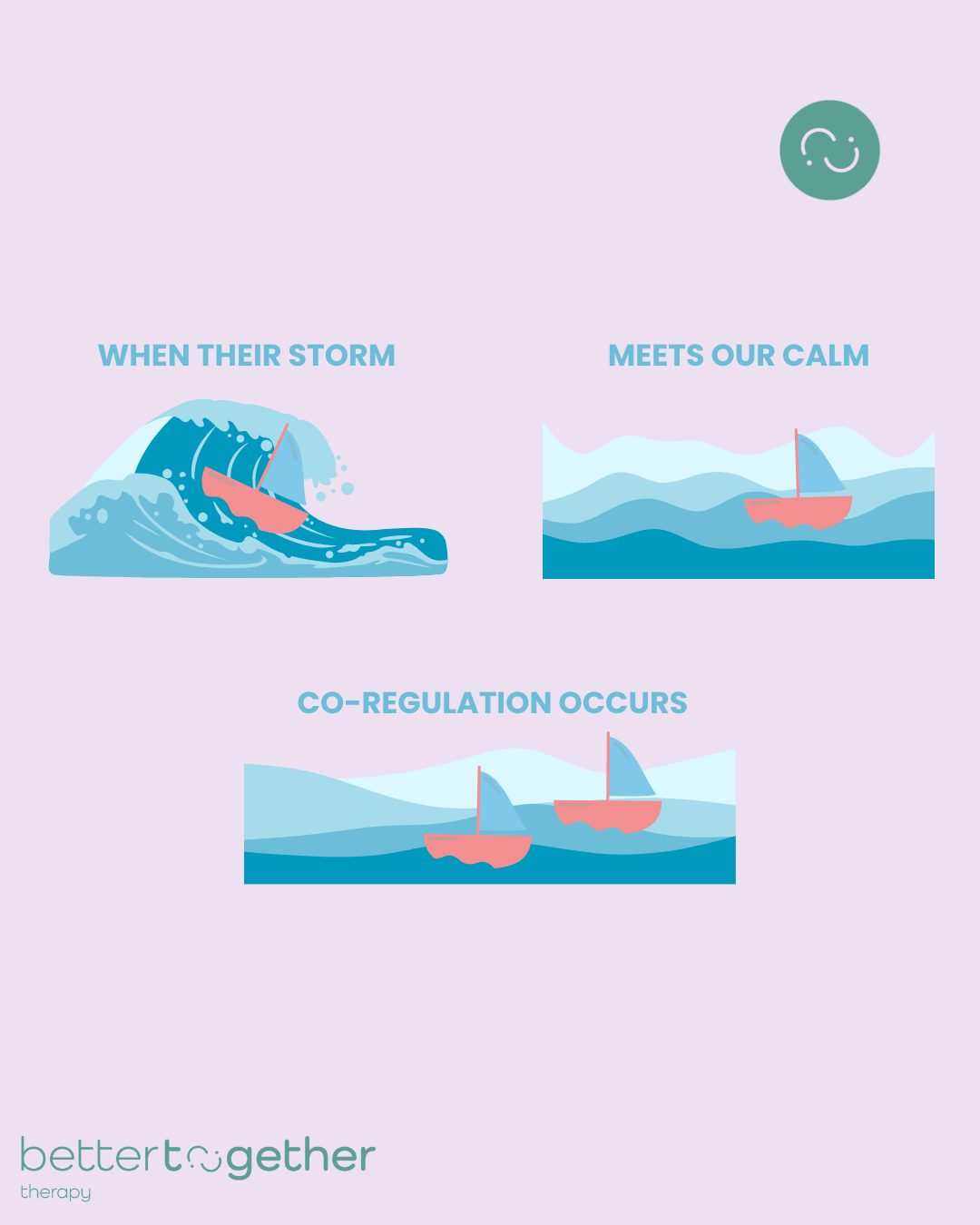
From toddler tantrums to pre-teen meltdowns, all children experience big feelings. This blog explains what emotion regulation is, why some children struggle more than others, and how parents can support kids through co-regulation and self-regulation. You’ll also find practical strategies to use at home and learn how psychologists can help children build lifelong skills for managing their feelings.
Giving Every Child a Voice: Understanding AAC
(🕒 5 min read)
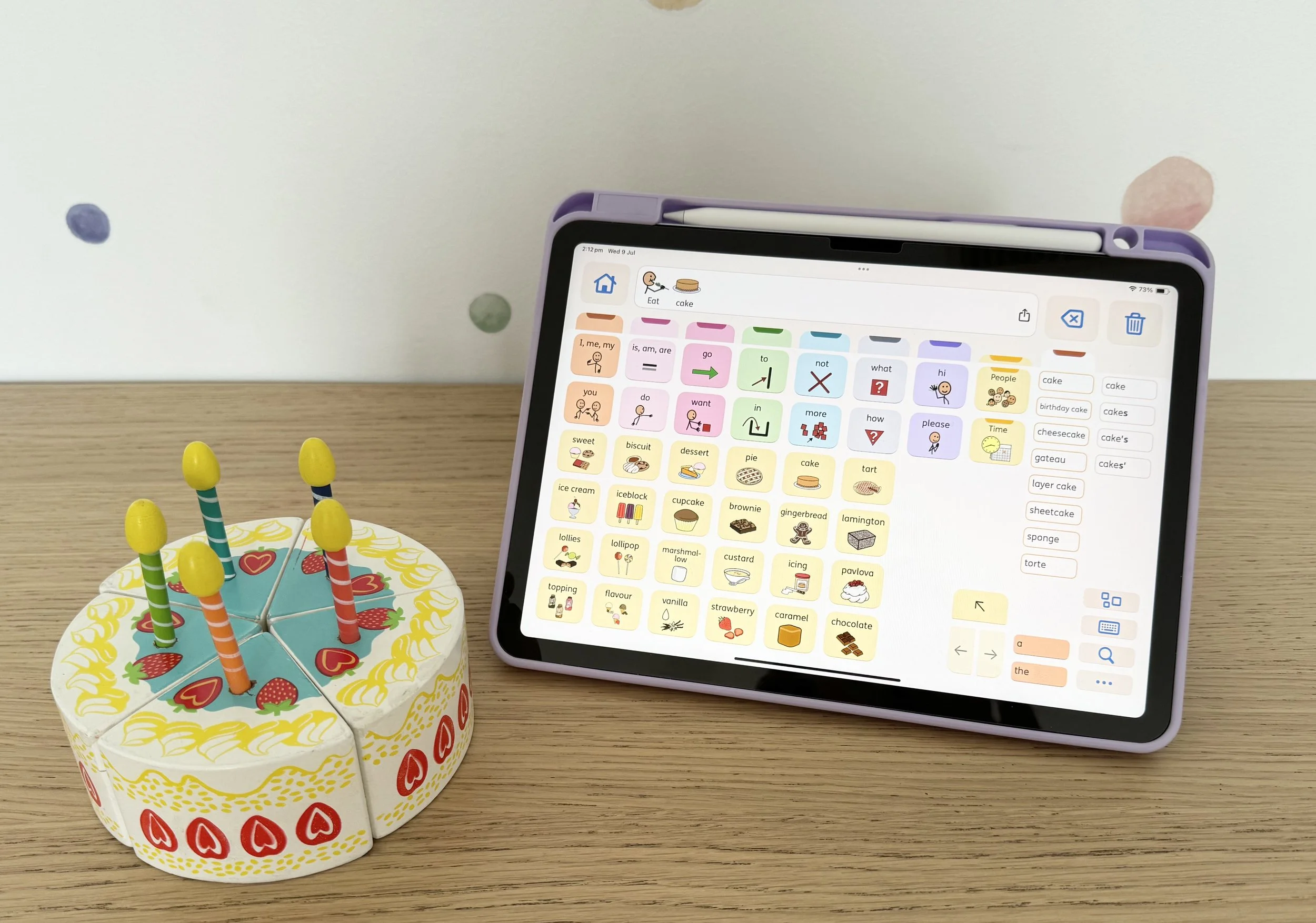
AAC (Augmentative and Alternative Communication) helps children communicate in ways that work best for them, such as by using gestures, pictures, sign language, or technology. This blog explores what AAC is, how it supports speech and language development, and simple strategies that families can implement. Learn how AAC can give every child the confidence to be understood and the chance to share their voice.

Neurodiversity Explained: Celebrating Strengths and Differences in Every Brain
(🕒 4 min read)
Neurodiversity is the idea that human brains are naturally varied, and there is no single “right” way of thinking, learning, or experiencing the world. This blog unpacks what neurodiversity means, the difference between neurodivergent and neurotypical, and the values of the neurodiversity movement. It also explores why language matters and what neurodiversity-affirming support looks like in everyday life.

ADHD in Females: What It Looks Like and Why It’s Often Missed
(🕒 6 min read)
This article takes a closer look at how ADHD can show up differently in females, often in ways that are more subtle and easier to miss. It highlights the unique challenges they face - like masking their symptoms and juggling social expectations - and why so many go undiagnosed for years. By understanding these differences, we can help girls get the support they need to succeed and embrace their strengths.