
Your Child’s First Psychology Session: What Parents Can Expect
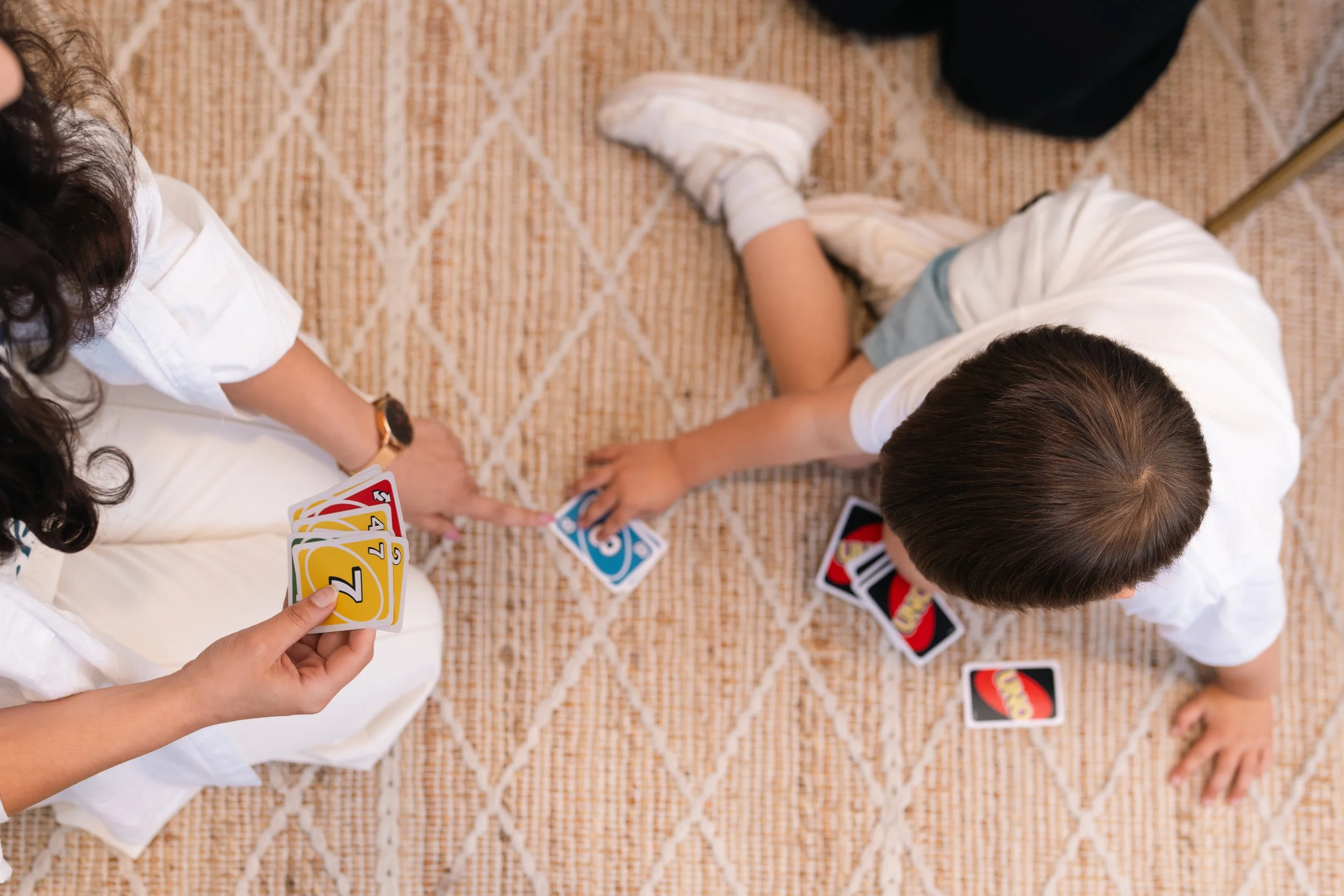
Taking your child or teenager to see a psychologist for the first time can bring up a lot of questions.
What should I tell them beforehand? Will I be in the room? What will the psychologist ask? What if my child doesn't want to talk? Will they tell me what my child says? What if my child refuses to go?
And if your child is already feeling anxious about the appointment, you might be wondering how much to explain without making it feel like a Very Big Deal.
The good news? Your child doesn't need to arrive ready to talk about their feelings, understand why they're there or even particularly want to be there.
The first session is a starting point.
Here's what you and your child can expect when beginning psychology at Better Together Therapy.
Before the first appointment
Before your child's first session, we'll ask you to complete some intake information.
This helps their psychologist understand what has brought you to therapy, your main concerns, relevant developmental and family history, and what you'd like support with.
Depending on your child's age and the reason for referral, the first appointment may involve the parent or caregiver for some or all of the session. In some cases, particularly with younger children, your psychologist may recommend speaking with a parent separately so you can discuss concerns openly without your child needing to hear every part of the conversation.
For teenagers, the balance between parent involvement and individual time will usually look different. Adolescents often benefit from having their own space with their psychologist, while parents can still play an important role in supporting therapy.
There isn't one format that works for every family. Your psychologist will consider your child's age, developmental stage, needs and circumstances when deciding how best to structure the first appointment.
What should I tell my child before psychology?
Keep it simple, honest and appropriate for their age.
You don't need to give them a long explanation about everything you're worried about.
For a younger child, you might explain that they're going to meet someone whose job is to help children with things like big feelings, worries, friendships or things that feel tricky. You can let them know there will be toys, games and things to do, and that they don't have to know what to say.
For an older child or teenager, you can be more direct. Let them know you've organised an appointment with a psychologist because you've noticed they've been having a hard time with something and you'd like them to have someone outside the family they can talk to.
Try to avoid framing therapy as something they need because they're behaving badly, need to be "fixed" or because something is wrong with them.
The message we want children and teenagers to hear is:
This is a space to support you, not somewhere you're being sent because you've done something wrong.
What actually happens in the first session?
First sessions are about getting to know your child.
Their psychologist will want to understand what's been happening, but they'll also want to know who your child is beyond the reason they've been referred.
What do they enjoy? What are they good at? Who is important to them? What does school look like? What makes them laugh? What feels easy? What feels hard?
With younger children, this might happen through a combination of talking, playing, drawing, games or activities.
With teenagers, it may look more like a conversation, but there's still no expectation that they sit down and immediately disclose everything they're thinking and feeling.
Rapport comes first.
What if my child doesn't talk?
That's okay.
Really.
Some children walk into their first session and tell us everything.
Others answer every question with "I don't know."
Some want to explore the room. Some want to play. Some hide behind a parent. Some teenagers are very clear that attending psychology was not their idea.
Psychologists who work with children and adolescents expect this.
Communication isn't limited to sitting opposite each other and talking.
Play, behaviour, drawing, games, movement, humour and simply spending time together can all help a psychologist begin to understand a child and build a relationship with them.
For some children, particularly neurodivergent children, reducing conversational demands and allowing movement, fidgets or different ways of communicating can make engaging much easier.
Your child doesn't need to perform therapy correctly.
Why are they playing? Isn't this meant to be therapy?
This is a question parents sometimes understandably wonder about.
For children, play isn't separate from the therapeutic work.
Children don't always have the language, insight or developmental capacity to sit down and explain an experience in the same way an adult might.
Play and age appropriate activities can help psychologists build rapport, observe patterns, explore emotions, practise skills and make difficult conversations feel safer and more accessible.
A game can also provide the perfect opportunity to practise things like flexibility, frustration tolerance, turn taking, problem solving or coping with losing.
So if your child comes out talking enthusiastically about the game they played, it doesn't necessarily mean "they just played for 50 minutes."
There may have been a lot more happening underneath.
Will I stay in the room?
Maybe.
Parent involvement varies depending on your child's age, needs and the goals of therapy.
For younger children, parents may be involved more frequently. Sometimes we'll start together and then your child will spend some time individually with their psychologist. At other times, working together with a parent is an important part of the therapeutic approach.
As children get older, individual time generally becomes increasingly important.
For teenagers in particular, having a space that feels like theirs can be essential for building trust and allowing them to speak openly.
Your psychologist will talk with you and your child about what makes the most sense.
Will the psychologist tell me everything my child says?
This is an important one.
Children and teenagers need to know that therapy is a private space, particularly as they get older.
At the beginning of therapy, your psychologist will explain confidentiality and its limits in a way your child can understand. Parents will also be given information about how confidentiality works.
This means parents shouldn't expect a detailed report of everything discussed during an individual session.
At the same time, parents are often an important part of therapy. Your psychologist may talk with you about broader themes, strategies you can use at home, progress towards goals or things your child needs support with.
There are also circumstances where a psychologist may need to share information to help keep a child or another person safe. Your psychologist will explain these limits clearly at the beginning.
Finding the right balance between keeping parents appropriately involved and protecting a young person's privacy is an important part of child and adolescent psychology.
What if my teenager doesn't want to be there?
Don't panic.
A reluctant teenager is not an unusual sight in a psychology clinic.
Sometimes a young person doesn't believe they need therapy. Sometimes they've had an unhelpful experience before. Sometimes they're worried the psychologist will simply agree with their parents. And sometimes being told to talk to a stranger about their feelings is understandably the last thing they want to do.
Trying to force immediate disclosure usually isn't helpful.
The first job may simply be building trust.
A psychologist can acknowledge that therapy wasn't the teenager's choice, give them some control over what they discuss and spend time understanding what they would like to be different, even if that looks very different from the goals their parents initially identified.
Engagement itself can be part of the work.
What if my child is anxious about coming?
Let us know.
We can think with you about what might make the appointment feel more manageable.
For some children, knowing exactly what will happen helps. Others benefit from seeing photos of the clinic or their psychologist beforehand.
They may want to bring a favourite toy or comfort item. They might need a little time to explore the room before engaging. They may prefer to have you nearby initially.
There is no prize for walking confidently into the therapy room on day one.
Sometimes simply making it through the door is enough for a first appointment.
Do children need therapy goals?
Not in the way adults sometimes imagine them.
Parents often arrive with goals such as reducing anxiety, supporting emotional regulation, building confidence, improving coping skills or helping their child navigate friendships or school.
Your child may have completely different ideas.
A teenager might want to stop overthinking everything. A younger child might want bedtime to feel less scary. Another child might simply say they want to "get less angry."
Part of the psychologist's role is bringing together the concerns of parents, the experiences of the child and their clinical understanding to develop goals that are meaningful and developmentally appropriate.
Importantly, children and teenagers should have a voice in what they're working towards.
What happens after the first session?
The first appointment gives us a starting point, not necessarily all the answers.
Your psychologist will begin developing an understanding of what's happening and what might be helpful.
Depending on your child's needs, therapy might involve individual sessions, parent involvement, parent only sessions, strategies for home or school, or collaboration with other professionals involved in your child's care.
Your psychologist will talk with you about recommendations and what the next steps might look like.
And just like adult therapy, goals and approaches can change as we get to know your child better.
What if my child doesn't click with their psychologist?
The therapeutic relationship matters for children and teenagers too.
Your child doesn't necessarily need to adore their psychologist after one appointment. Relationships take time.
But over time, we want children to feel increasingly comfortable being themselves in the room.
For teenagers especially, having some choice and ownership over the therapeutic relationship can make a significant difference to engagement.
If your child consistently doesn't feel comfortable, let us know. Sometimes the approach needs adjusting. Sometimes they need more time. And occasionally, another psychologist may simply be a better fit.
That's okay too.
The main thing we want parents to know
Your child doesn't need to walk into their first session ready to talk.
They don't need to sit perfectly still.
They don't need to make eye contact.
They don't need to know how they're feeling.
They don't need to immediately trust someone they've just met.
And they don't need to be "good" at therapy.
They can talk.
Play.
Move.
Draw.
Fidget.
Laugh.
Say "I don't know."
Or take some time to simply get comfortable in the space.
We'll meet them where they're at and start from there.
Starting psychology at Better Together Therapy
Better Together Therapy provides psychology support for children and adolescents from our clinic in Essendon, Melbourne.
Our psychologists support young people across a range of areas including anxiety, mood, emotional regulation, ADHD, autism, OCD, trauma, self esteem, identity, friendships, school related challenges and other difficulties that can come with growing up.
We take a warm, evidence based and neuroaffirming approach, adapting therapy to the age, developmental stage, communication style and individual needs of each young person.
If you're unsure whether psychology is the right next step for your child, or which psychologist might be the best fit, our team can help guide you.
