
Autism Assessments for children, teens and adults
Neuroaffirming autism assessments at our Essendon clinic and via telehealth, where appropriate. Comprehensive, respectful, and shaped around who you actually are.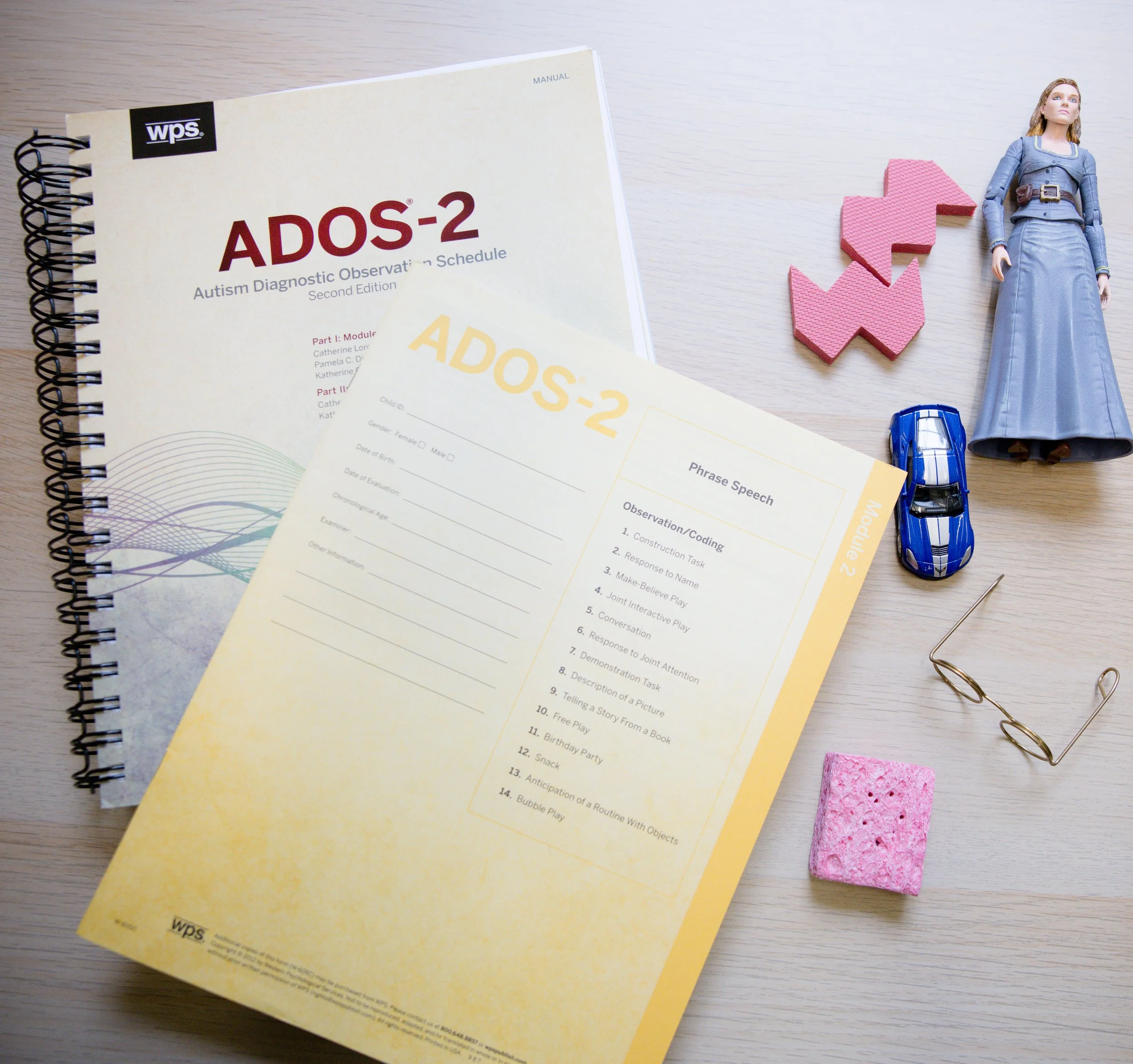
At Better Together Therapy, we provide neuroaffirming autism assessments for children, teens and adults across Melbourne. We understand that autism presents differently across individuals, ages and life experiences, and that many autistic people, particularly girls, women and high-masking individuals, may not fit traditional stereotypes.
Our assessment process aims to build a clearer understanding of who you are: your strengths, your sensory and communication style, the way you experience daily life. Rather than focusing only on diagnostic traits, we look at the whole person and provide practical recommendations that support self-understanding, wellbeing and the things that actually matter day to day.
Why might someone seek an autism assessment?
People come to us for many different reasons. Some of the patterns we hear most often:
Adults and teens may notice
feeling different from others, often for as long as they can remember
social exhaustion and masking
sensory sensitivities or overwhelm
emotional burnout
difficulty understanding unspoken social expectations
intense interests or deep focus
shutdowns when things get too much
difficulty coping with change or uncertainty
challenges maintaining friendships or relationships
anxiety tied to social or sensory demands
a lifelong sense of being misunderstood
Families may notice in children
emotional regulation difficulties
sensory sensitivities
social communication differences
school anxiety or overwhelm
repetitive or highly focused interests
difficulty with transitions or flexibility
shutdowns or meltdowns
masking at school followed by exhaustion at home
a sense of being out of sync with peers
Many people seek an assessment to gain clarity, better understand themselves or their child, and access more appropriate supports and accommodations.
Did autism present differently for you growing up?
Many adults, particularly women and people who masked early, never fit the textbook picture. If parts of your life have always felt harder than they look on the outside, an assessment can be a meaningful first step in understanding why.
Our autism assessment process
We aim to make the process supportive, clear and manageable. Here's how it works.
Initial intake.
We start with a conversation to explore current concerns, background and what you're hoping to get from the assessment.
Clinical interview and background information.
We gather developmental, educational, sensory, emotional and social information to build a comprehensive picture across environments and over time. Where appropriate, this can include input from parents, schools or other professionals.
Assessment sessions.
Tailored to age and presentation, sessions may include clinical interviews, observations, questionnaires and standardised tools such as the ADOS-2 or MIGDAS-2. We recognise that autism presents differently across individuals, particularly in high-masking presentations, and we adjust accordingly.
Collaborative feedback.
A supportive session to discuss findings, answer questions and help you (or your family) understand the outcomes. Families also receive our Autism Support Handbook, a practical guide covering emotional regulation, sensory needs, school supports and post-assessment guidance.
Comprehensive report.
A detailed written report including assessment findings, diagnostic clarification where appropriate, strengths and support needs, sensory and emotional considerations, and practical recommendations for home, school, university or work.
Our neuroaffirming approach
A neuroaffirming framework underpins everything we do. In practice, that means we aim to:
understand differences rather than try to fix them
recognise masking, camouflaging and burnout
explore sensory and nervous system experiences
identify strengths alongside differences
use respectful, affirming language
support self-understanding and self-advocacy
We believe assessments should help you feel understood, validated and supported, not pathologised.

Ongoing support following assessment
Assessment is rarely the end of the story.
Many people benefit from ongoing support after the report, which can include:
neuroaffirming psychology support
emotional regulation strategies
parent support
school recommendations and accommodations
psychoeducation around burnout, masking and sensory needs
advocacy and support planning
If you'd like to continue working with us after your assessment, we can talk about what that might look like.

Download our Autism Support Handbook
Frequently Asked Questions
-
Yes. We provide autism assessments for children, teens and adults.
-
Absolutely. Many autistic girls and women present differently to traditional stereotypes and may engage in significant masking or camouflaging behaviours, which can mean their experiences are missed or misunderstood for years.
-
Yes. Our process considers the impact of masking, burnout, compensation strategies and internalised distress, not only the externally visible traits.
-
Yes. A comprehensive written report and recommendations are included as part of every assessment.
-
Yes. Our assessments are grounded in a neuroaffirming framework, see Our neuroaffirming approach above for what that means in practice.
-
A referral is not always required. However, supporting information from a paediatrician, psychiatrist, GP, school or allied health professional can be helpful depending on the assessment and the supports you're exploring. We'll guide you on what to bring during intake.
-
Yes. Ongoing psychology support is available following assessment where appropriate.
Related Services
ADHD Assessments
Autism and ADHD often co-occur. Our ADHD assessments use the same neuroaffirming approach.
Cognitive Assessments
Useful when learning profile, processing or giftedness is also a question.
Ongoing psychology support
Adult, teen and child psychology. Neuroaffirming, trauma-informed, evidence-based.
Ready to start the conversation?
Book a free 15-minute consultation. We'll talk through what you're looking for, answer questions about the process, and help you decide if an autism assessment is the right next step.