
Speech Pathology Assessments for Children and Teens
Understanding your communication, learning, voice or swallowing needs can help you find the right support. Our speech pathology assessments explore your strengths and the areas you find challenging, with clear explanations and practical recommendations to help you move forward.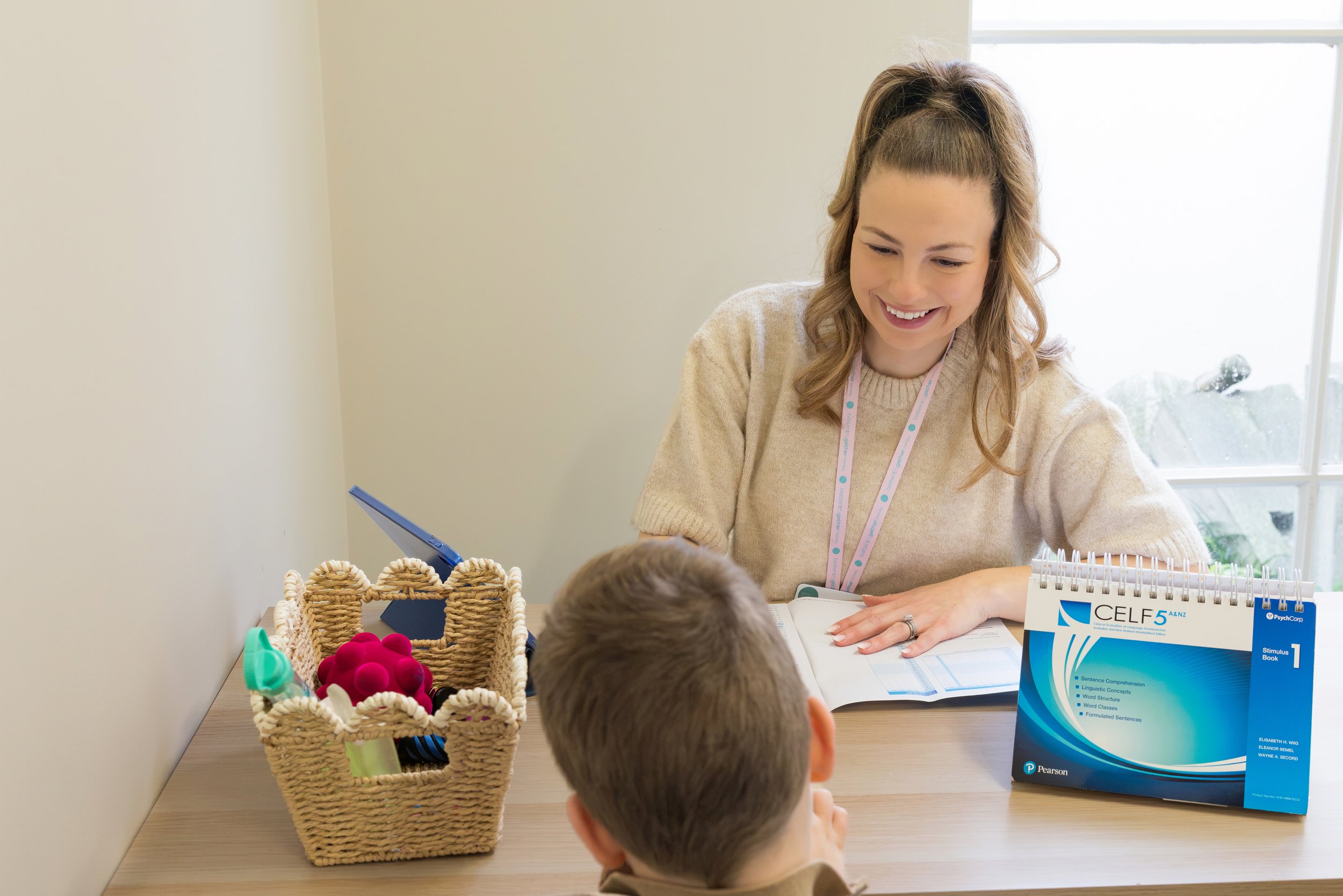
At Better Together Therapy, we provide comprehensive speech pathology assessments for children and teenagers at our Essendon clinic. Communication and language differences can affect many areas of a child's development, including understanding language, expressing thoughts and ideas, speech sound production, social communication and early literacy skills. Some children may experience difficulties communicating their needs, being understood by others, following instructions or participating confidently in everyday interactions.
Our assessment process aims to better understand your child's communication strengths and areas of support, identify any underlying difficulties and provide practical recommendations to support their communication development at home, school and in everyday life. You do not need to know which assessment to book. We can help you work out a suitable starting point.
Why might someone seek an assessment?
An assessment may be useful if you or your child experiences:
Speech that others find difficult to understand
Difficulty following instructions or understanding spoken information
Challenges finding words, forming sentences or explaining ideas
Difficulties with reading, spelling or written language
Stuttering or concerns about speaking confidence
Communication differences that affect participation at school, work or in everyday life
Changes in communication following stroke, brain injury or neurological illness
Changes in voice quality, volume or comfort
Difficulties eating, drinking or swallowing
Assessment can help clarify what is happening, identify strengths and guide support that fits your circumstances.
Our assessment services

Speech Sound Assessments
Speech sound assessments explore how an individual produces sounds and the patterns they use when speaking. We consider how easily their speech is understood, which sounds or patterns are difficult and whether their speech development requires support. Findings help guide targeted therapy and practical recommendations.

Language Assessments
Language assessments explore how a child or teenager understands and uses language.
Receptive language includes understanding vocabulary, questions, instructions, sentences and stories.
Expressive language includes using words and sentences, explaining ideas, telling stories and organising information.
Assessment can help explain difficulties at home or school and identify language strengths and areas where support would be useful.
Literacy and Phonological Awareness Assessments
Literacy assessments explore skills involved in reading, spelling and written language. Depending on the concerns, this may include awareness of sounds in words, sound and letter relationships, reading comprehension and organising written ideas.
Phonological awareness is different from speech sound production: it involves recognising and working with the sounds within words.
Where concerns suggest broader learning difficulties, we can discuss whether a psychological learning assessment would also be helpful.
Social Communication Assessments
Social communication assessments explore how a young person communicates across different situations, alongside their strengths, preferences and experiences. This may include conversations, understanding implied meaning, explaining misunderstandings, communicating needs and navigating interactions.
Our approach is neuroaffirming. We consider the communication environment and the role of other communication partners, rather than placing all responsibility on the child or teenager.
Stuttering Assessments
Stuttering assessment considers the patterns of stuttering, any associated effort or tension, and how the young person experiences speaking.
We explore whether stuttering affects participation, confidence or everyday communication, and discuss individual recommendations with the young person and their family.

Our assessment process
We aim to make the process supportive, clear and manageable.
The number of appointments and assessment activities will depend on your needs and the areas being explored.
Initial intake session.
Understanding your concerns, relevant history and assessment goals.
Assessment sessions.
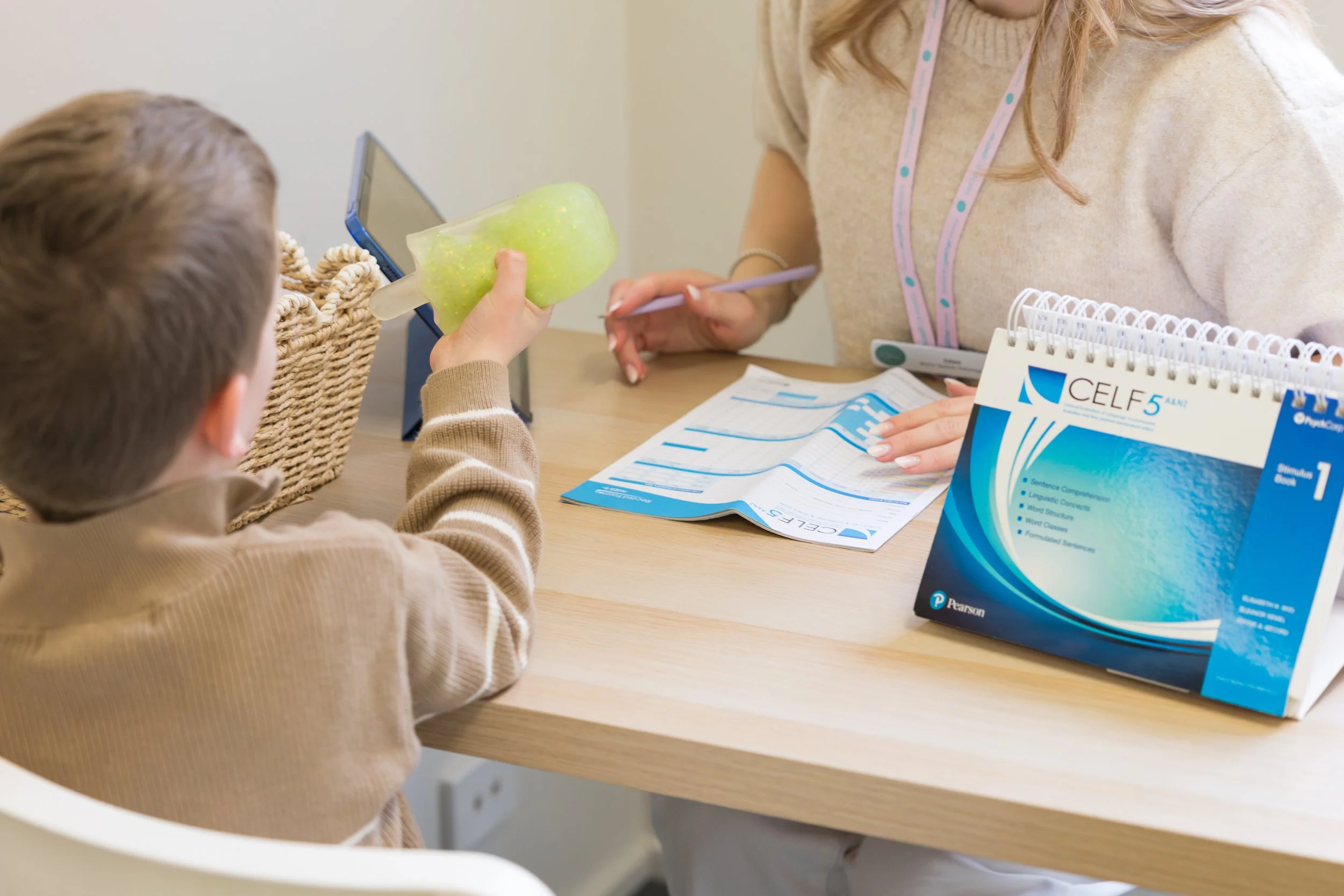
Exploring strengths and support needs through discussion, observations, practical activities and standardised tools where appropriate.
Feedback and recommendations.
Talking through the findings together, answering your questions and explaining what they mean for everyday life.
Comprehensive report.
A detailed written report covering assessment findings and practical recommendations.
Planning your next steps.
Discussing therapy options, strategies for home, school or care settings, and further referrals where needed.
A neuroaffirming and collaborative approach
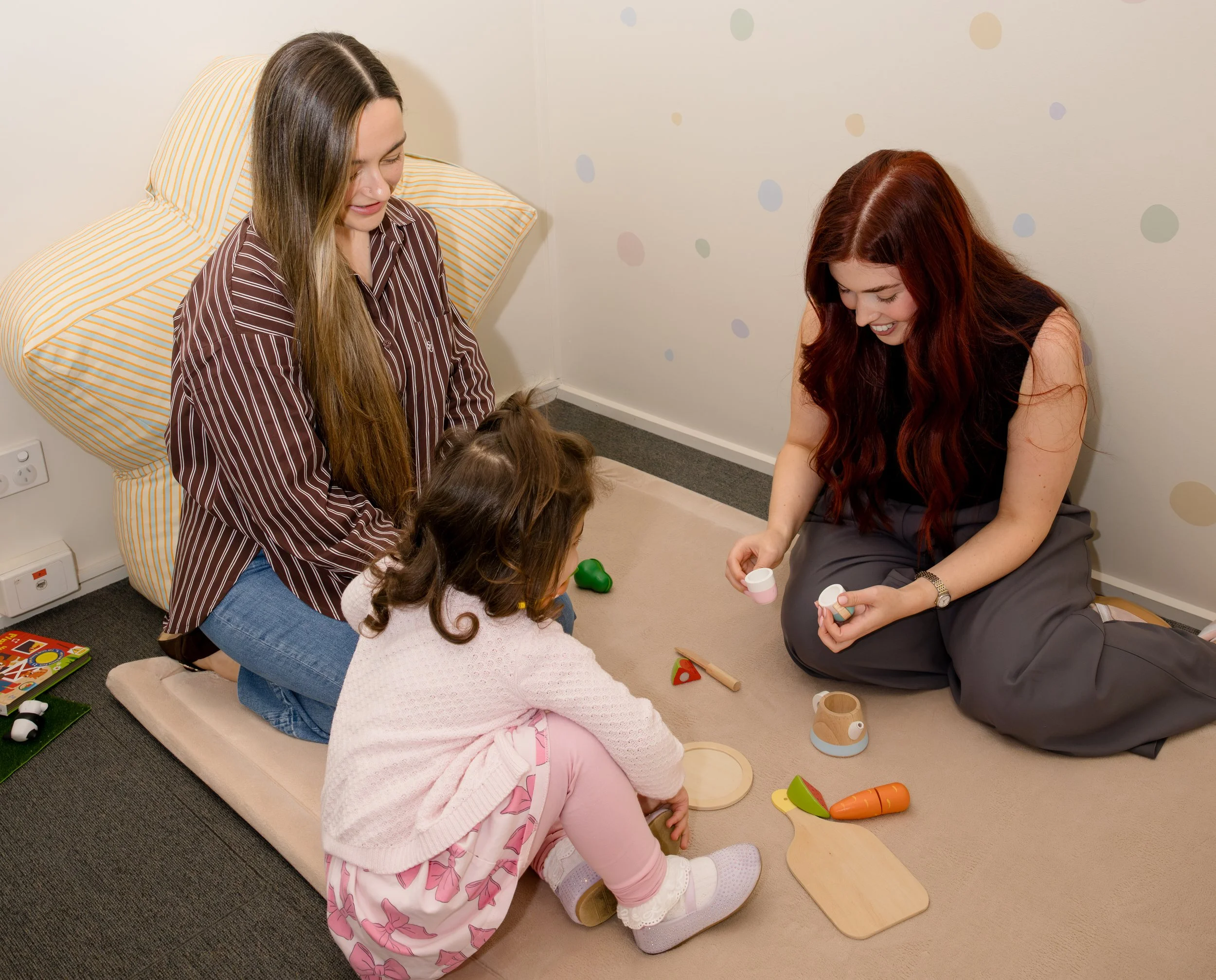
Assessment should help you understand yourself or your child more clearly.
We consider strengths, preferences, lived experience and the environments in which communication happens. Assessment activities can be adapted to support participation, while your clinician explains any implications for interpreting results.
With your consent, we can seek information from teachers, carers or other treating professionals. Where speech pathology and psychology are both relevant, our BTT clinicians can collaborate to help clarify the next steps.
Frequently Asked Questions
-
You do not need to choose a specific test yourself. Tell us what you are concerned about, and our team can help identify a suitable appointment.
-
This depends on the areas being assessed and the person’s needs. Some concerns can be explored in an initial appointment; more detailed assessments may require several sessions. We will explain the proposed approach and costs.
-
Yes. A comprehensive written report and recommendations are included as part of every assessment.
-
Assessments are available at our Essendon clinic. Telehealth may be suitable for some assessment needs; our team can advise.
-
Costs depend on the assessment scope, appointment time, and any required reporting. Contact us to discuss your needs.
-
A speech pathology assessment explores language and communication strengths and needs. It is different from an autism or ADHD diagnostic assessment.
If you are seeking diagnostic clarification, our team can discuss BTT’s psychological assessment services and whether any speech pathology assessments would also be useful.
-
They can overlap, but they answer different questions. A speech pathology assessment focuses on language and literacy skills. Psychological learning assessment may explore academic achievement and, where appropriate, cognitive abilities and specific learning disorders.
We can help you understand which assessment, or combination of assessments, suits your concerns.
Related Services
Ongoing Speech Pathology Support
If you'd like to continue working with us after your assessment, our therapy team supports children and teens.
Autism and ADHD Assessments
Neuroaffirming assessments for children where you're exploring a diagnosis or wanting to better understand your child's profile.
Ready to start the conversation?
Book a free 15-minute consultation. We'll talk through what you're looking for, answer your questions, and help you decide which assessment is the right next step.