
Child and Teen Speech Pathology
Helping your child communicate, learn and feel understood.

You might be concerned about your child’s speech, noticing difficulty understanding instructions, or wondering why reading and writing feel so challenging. For teenagers, communication difficulties can become more noticeable as schoolwork, friendships and everyday expectations grow more complex.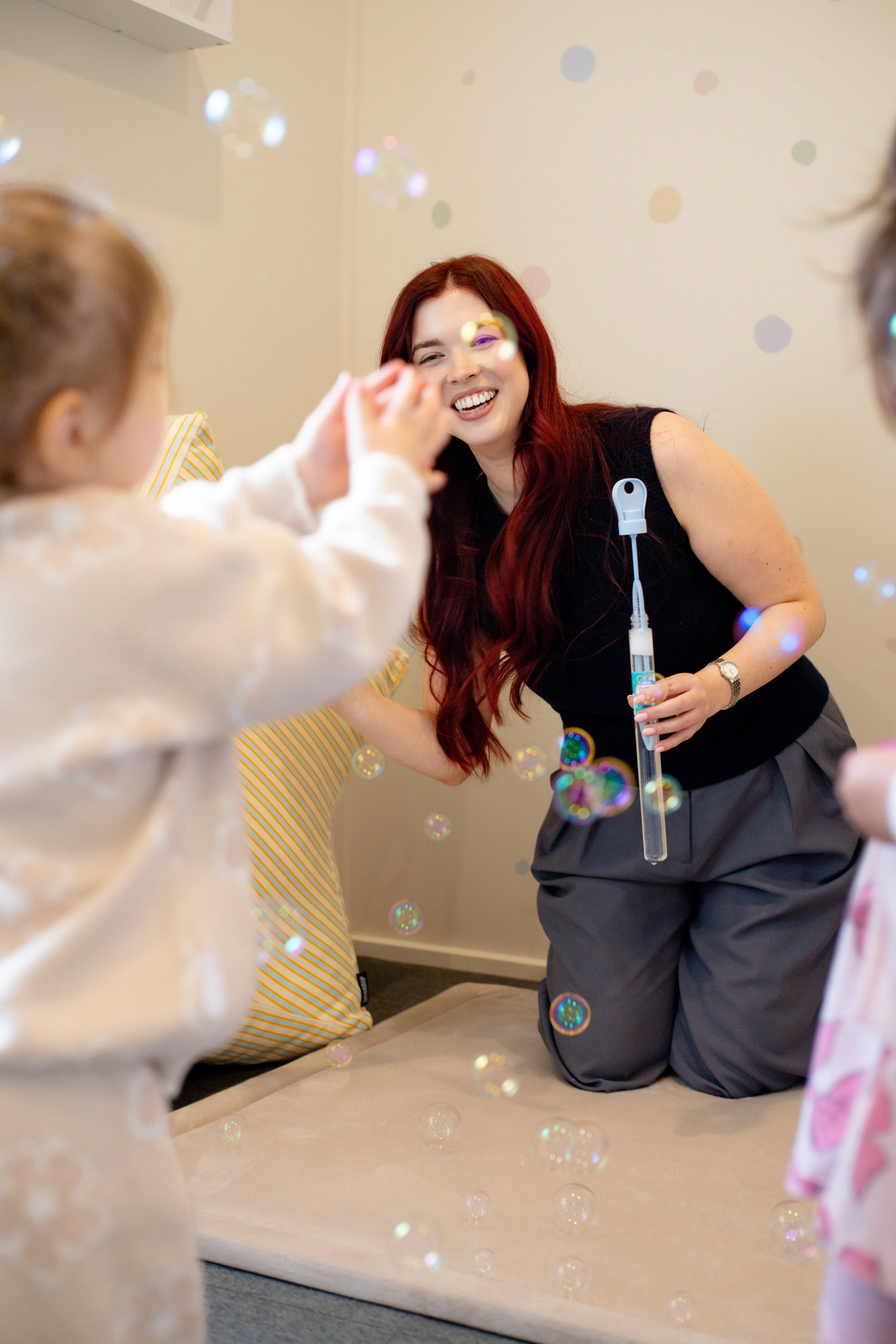
At Better Together Therapy, our speech pathologists provide assessment and speech therapy for children and teenagers at our Essendon clinic. We support speech sounds, language development, literacy, stuttering and social communication, with sessions tailored to each young person’s strengths, interests and needs.

Speech therapy that connects with everyday life
We start by understanding your child and what would make a difference for them.
That might mean being understood by friends, explaining an idea in class, following a story or asking for help. We work towards practical goals through activities suited to their age, communication needs and interests.
For younger children, sessions may include play, games and shared activities. For teenagers, therapy is collaborative and relevant to their school, relationships and growing independence.
How we support children and teenagers

-
Some children find particular speech sounds difficult to produce or use patterns that make their words harder to understand.
We assess articulation and phonological difficulties, then provide targeted speech therapy to develop clearer communication. Parents receive guidance on how to support practice in manageable ways between appointments.
-
Language difficulties can affect both understanding what others say and expressing your own message.
Receptive language support may focus on understanding questions, following instructions, learning vocabulary and making sense of stories or classroom information.
Expressive language support may focus on finding words, building sentences, explaining events, telling stories and organising ideas.
We help children and teenagers develop skills and strategies they can use at home, at school and in conversations.
-
Some young people need additional support with the language skills involved in reading and writing.
Our speech pathologists support phonological awareness, sound and letter relationships, reading, spelling, reading comprehension and written expression. Therapy is tailored to your child’s current skills and learning needs.
Where appropriate, we can collaborate with teachers and other professionals to help connect therapy goals with classroom support.
-
If your young child is using fewer words than expected, finding it difficult to communicate their needs, or showing difficulty understanding language, an assessment can help you understand their development.
We work with parents and caregivers to build communication opportunities into play, books and everyday routines, with strategies that fit your family.
-
Stuttering may involve repeating sounds or words, stretching sounds or getting stuck when speaking.
We consider both the young person’s speech and their experience of communicating. Support is individualised, with goals discussed alongside the child or teenager and their family
-
We support young people who want help navigating conversations, understanding misunderstandings, communicating boundaries or expressing their needs and preferences.
Our approach is neuroaffirming. We respect different communication styles and recognise that communication works best when everyone involved makes adjustments.
Support may include helping family members and other communication partners understand your child, alongside goals that matter to the young person.
-
We take the time to understand how your child communicates, what helps them participate and what makes communication more demanding.
Goals are developed collaboratively and respect their identity, preferences and ways of connecting. We also consider changes to the environment and how others can make communication more accessible.
-
Your knowledge of your child is an important part of assessment and therapy.
Family involvement may include joining sessions, discussing progress or learning strategies for home. For teenagers, we discuss parent involvement alongside their preferences and growing independence.
With your consent, we can communicate with teachers and other treating professionals. Where a young person accesses both psychology and speech pathology at BTT, our clinicians can collaborate when helpful.
What to expect
Understanding your concerns
We discuss your child’s communication, development, strengths and the situations they find difficult.
Assessment and recommendations
Your speech pathologist recommends assessment activities suited to your concerns and explains the findings clearly.
A plan developed together
We agree on priorities and discuss therapy, practical strategies and any further assessment that may be useful.
Reviewing progress
Goals and strategies are reviewed as your child’s needs change.

Frequently Asked Questions
-
You may notice unclear speech, difficulty understanding instructions, limited language, challenges with reading or writing, stuttering, or frustration when communicating. You can seek advice without knowing the cause.
-
No. Speech pathology can support teenagers with language, literacy, speech clarity, stuttering and social communication. Sessions are adapted to their age and goals.
-
A referral or formal diagnosis is not required to book privately. Some funding pathways have specific referral or eligibility requirements; our team can help you understand these before booking.
-
Yes, where suitable for your child’s needs and the type of assessment or therapy involved.
-
Bring relevant reports, school information or examples of concerns, if available. Your speech pathologist will discuss your child’s history and explain the next steps.
-
Visit our Speech Pathology Fees & Funding page for appointment costs and funding information, or contact our team before booking.
Related Services
Autism and ADHD Assessments
Neuroaffirming assessments for children where you're exploring a diagnosis or wanting to better understand your child's profile.
Educational Assessments
For learning differences such as dyslexia, dysgraphia and dyscalculia.
Speech Pathology
Communication, language, literacy and social communication support for children.
Ready to start the conversation?
Book a free 15-minute chat with our team. We'll talk through what's going on for your child, answer your questions, and help you find a therapist who fits.