
Adult Speech Pathology
Support for communication, voice and swallowing, shaped around your life.

You may be finding it harder to express your thoughts, follow conversations or feel understood. Perhaps your voice has changed, eating and drinking have become more difficult, or you are a neurodivergent young adult looking for communication support that fits how you think and communicate.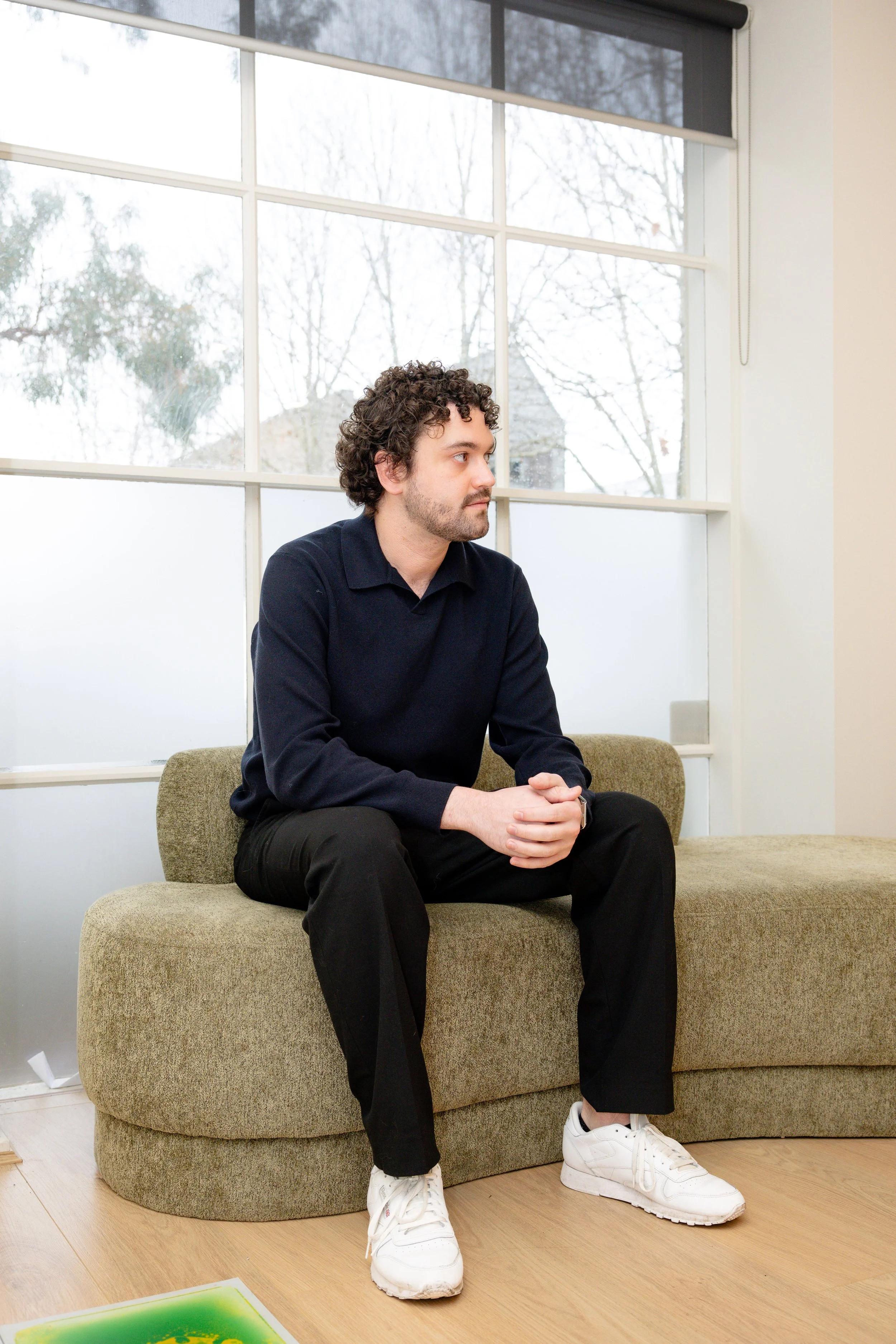
At Better Together Therapy, we provide adult speech therapy at our Essendon clinic. We support neurodivergent young adults with communication needs, alongside adults experiencing speech, language, voice or swallowing difficulties associated with stroke, brain injury and other neurological conditions.
Home and residential aged care appointments are available by arrangement.
Communication support that starts with you
Communication is personal. What matters to you might be explaining your ideas at work, joining a family conversation, communicating your needs or making choices about your care.
We take the time to understand your strengths, preferences and the situations you find difficult. Together, we develop practical goals that connect with your everyday life.
Speech therapy may focus on developing skills, maintaining abilities, adapting to changes or helping the people around you communicate more effectively with you.

How we support adults

-
We support autistic, ADHD and otherwise neurodivergent young adults who would like help with communication.
You might find it difficult to organise your thoughts when speaking, follow lengthy conversations, explain your needs or navigate misunderstandings. Communication may also feel more demanding when you are tired, overwhelmed or under pressure.
Depending on your needs and goals, support may include:
Understanding your communication strengths and preferences
Organising and expressing thoughts and ideas
Strategies for understanding spoken information and following conversations
Communicating needs, boundaries and preferences
Managing communication demands at work, study and in everyday relationships
Helping communication partners understand and respond to your needs
Our approach is neuroaffirming. We respect different communication styles and recognise that communication is a shared responsibility. Goals focus on being understood, self-advocacy, and making communication more accessible, without pressure to mask or change who you are.
-
A stroke or acquired brain injury can change how you understand language, express yourself or produce speech.
We support adults experiencing acquired communication difficulties, including challenges with finding words, understanding conversations, organising a message and speaking clearly.
Support can include targeted practice, everyday communication strategies and guidance for family members or carers.
-
Aphasia can affect speaking, understanding language, reading and writing. You may know what you want to say but struggle to find the words, or find it harder to follow what others are saying.
We work with you on the communication activities that matter most to you. Therapy may focus on language skills, alternative ways to get your message across and strategies that make conversations more accessible.
With your consent, we can also help family members and other communication partners understand how to support you.
-
Neurological illness or injury can affect the movements involved in speaking. Speech may become less clear, slower or more effortful.
Our speech pathologists assess your speech and develop individual strategies to support clarity, being understood and participation in everyday conversations.
-
We support adults living with neurological conditions that affect communication, voice or swallowing, including:
Parkinson’s disease
Dementia
Huntington’s disease
Stroke
Acquired or traumatic brain injury
Other neurological conditions
Support is tailored to your current abilities, preferences and daily routines. As your needs change, we can review strategies and provide guidance for the people involved in your care.
-
Dysphagia is the clinical term for difficulty swallowing. You may notice that eating or drinking takes more effort, certain foods are difficult to manage, or you cough during meals.
We provide clinical swallowing assessments and individualised recommendations for adults experiencing swallowing difficulties.
Assessment considers your concerns, medical history and how you manage food and fluids. Recommendations may include:
Practical swallowing and mealtime strategies
Adjustments to positioning, pacing or assistance
Food texture and drink thickness recommendations, where clinically indicated
Education for family members and carers
Referral for further medical or instrumental swallowing assessment where needed
Your speech pathologist will explain the findings and discuss appropriate next steps with you.
-
Mealtime recommendations need to work in your everyday environment and be understood by the people supporting you.
We provide mealtime assessment and practical education for individuals, families, carers and residential aged care staff. Support may address the mealtime environment, assistance strategies and how to follow individual recommendations.
Where appropriate, we use the International Dysphagia Diet Standardisation Initiative (IDDSI) framework to describe recommended food textures and drink thicknesses.
Our approach considers swallowing safety, comfort, preferences and quality of life.
-
A quieter, strained or changed voice can make it difficult to be heard and take part in conversations.
We support adults experiencing:
Dysphonia and changes in vocal quality
Reduced voice volume associated with Parkinson’s disease
Changes in pitch and resonance
Functional voice difficulties
Voice care and vocal hygiene needs
Assessment guides your therapy plan and helps identify whether medical or ear, nose and throat review is needed.
-
Attention, memory and information processing all contribute to communication. Following neurological illness or injury, changes in these areas can make it harder to follow a discussion, remember information or organise what you want to say.
Support may focus on:
Following conversations and processing spoken information
Remembering and using information shared in conversations
Planning and organising what you want to say
Problem solving during everyday communication
Communicating choices and needs
Using practical supports to participate in discussions and appointments
Strategies are connected to your priorities and the communication situations you encounter in daily life.
Our approach to adult speech therapy
We combine evidence-based therapy with practical strategies suited to your circumstances.
Your speech pathologist will work with you to identify goals and plan sessions that consider your communication preferences, energy levels, environment and support needs.
Progress and recommendations are reviewed together. You can ask questions, discuss what is working and adjust priorities as your needs change.

Working with families, carers and other professionals
With your consent, family members and carers can be involved in therapy. This may include learning ways to support conversations, understanding communication preferences or following mealtime recommendations.
We can also collaborate with your GP, specialists and other treating professionals. Where you access both psychology and speech pathology at BTT, our clinicians can work together when helpful and with your permission.

Adult speech therapy in Essendon, at home and in aged care
Our clinic is located at 19 Winifred Street, Essendon, welcoming adults from Melbourne’s north west, including Moonee Ponds, Strathmore, Niddrie, Keilor East and Ascot Vale.
Home and residential aged care visits, including nursing home appointments, are available by arrangement. These visits allow us to consider communication and mealtime needs in your usual environment.
Contact our team to discuss location coverage, appointment availability and any applicable travel charges.

Frequently Asked Questions
-
No. We support a range of adult communication needs, including neurodivergent young adults, people living with neurological conditions, and adults experiencing voice or swallowing difficulties.
-
Yes. We offer neuroaffirming communication support based on your individual needs and goals. This may include expressing ideas, understanding spoken information, self advocacy and helping others understand your communication preferences.
-
A referral is not required to book privately. Some funding pathways have specific referral or eligibility requirements.
-
Yes. We support speech, language and cognitive communication difficulties following stroke, with goals tailored to your needs and daily life.
-
Yes. We provide clinical swallowing assessments, dysphagia management and mealtime recommendations. Your speech pathologist will explain whether further medical or instrumental assessment is needed.
-
Yes, with your consent. They can share relevant information and learn strategies to support communication or mealtimes.
-
Yes. Home and residential aged care appointments are available by arrangement. Contact us to confirm whether we can attend your location.
-
Visit our Speech Pathology Fees & Funding page or contact our team. We can explain appointment costs, funding options and any visit or travel charges before you book.
Related Services
Autism Assessments
Neuroaffirming autism assessments for adults, including high-masking presentations and late diagnosis.
Adult Psychology
Support for emotional wellbeing, neurodivergence, adjustment, anxiety, grief and life changes.
Fees and funding
Medicare rebates, NDIS, private health extras.
Ready to start the conversation?
Book a free 15-minute chat with our team. We'll talk through what you're looking for, answer your questions, and help you find a psychologist who fits.